When it comes to energy storage, one question is always on people’s minds: How long will the battery last? With the growing popularity of lithium iron phosphate (LiFePO4) batteries, understanding their lifespan and how to get the most out of them has never been more important. Whether you’re using them in solar energy systems, electric vehicles, golf carts, or backup power solutions, LiFePO4 batteries have quickly gained a reputation for their durability and safety. But what exactly determines how long they last, and how can you maximize their performance? Let’s dive in.
What is a Lithium Iron Phosphate (LiFePO4) Battery?
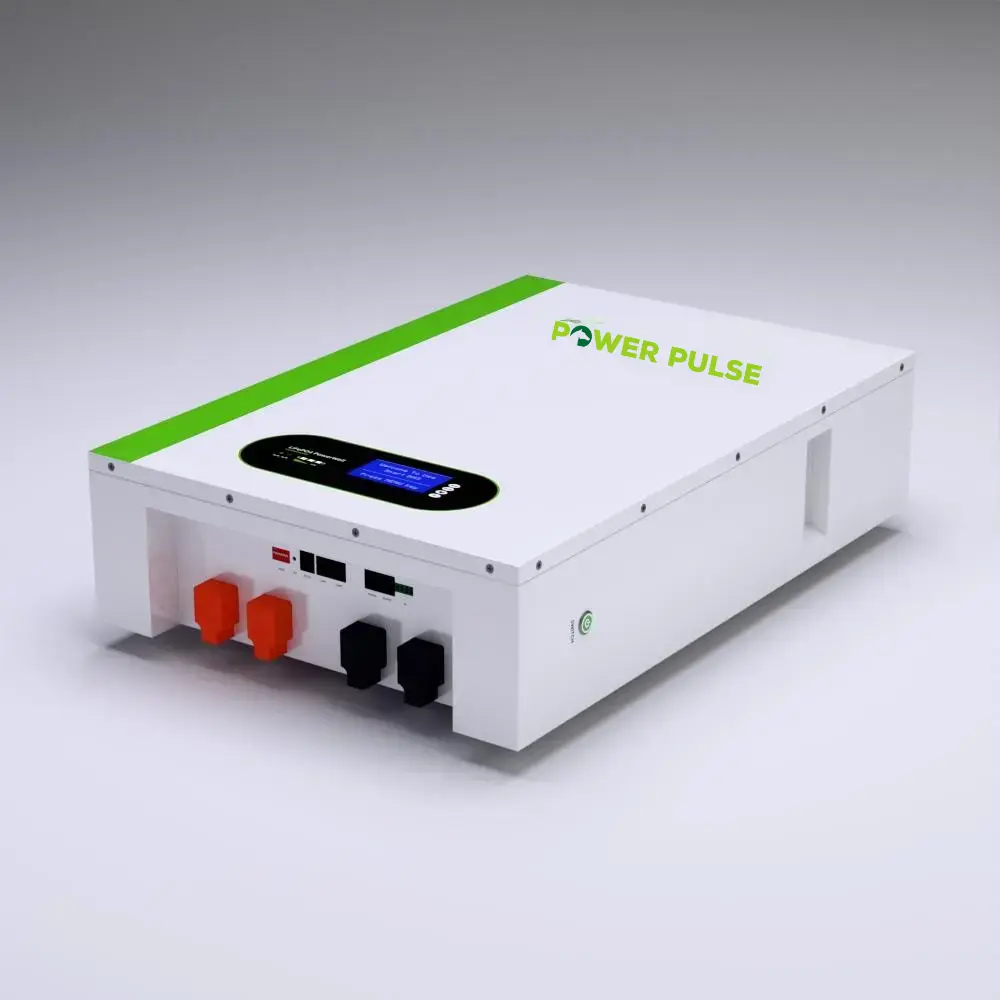
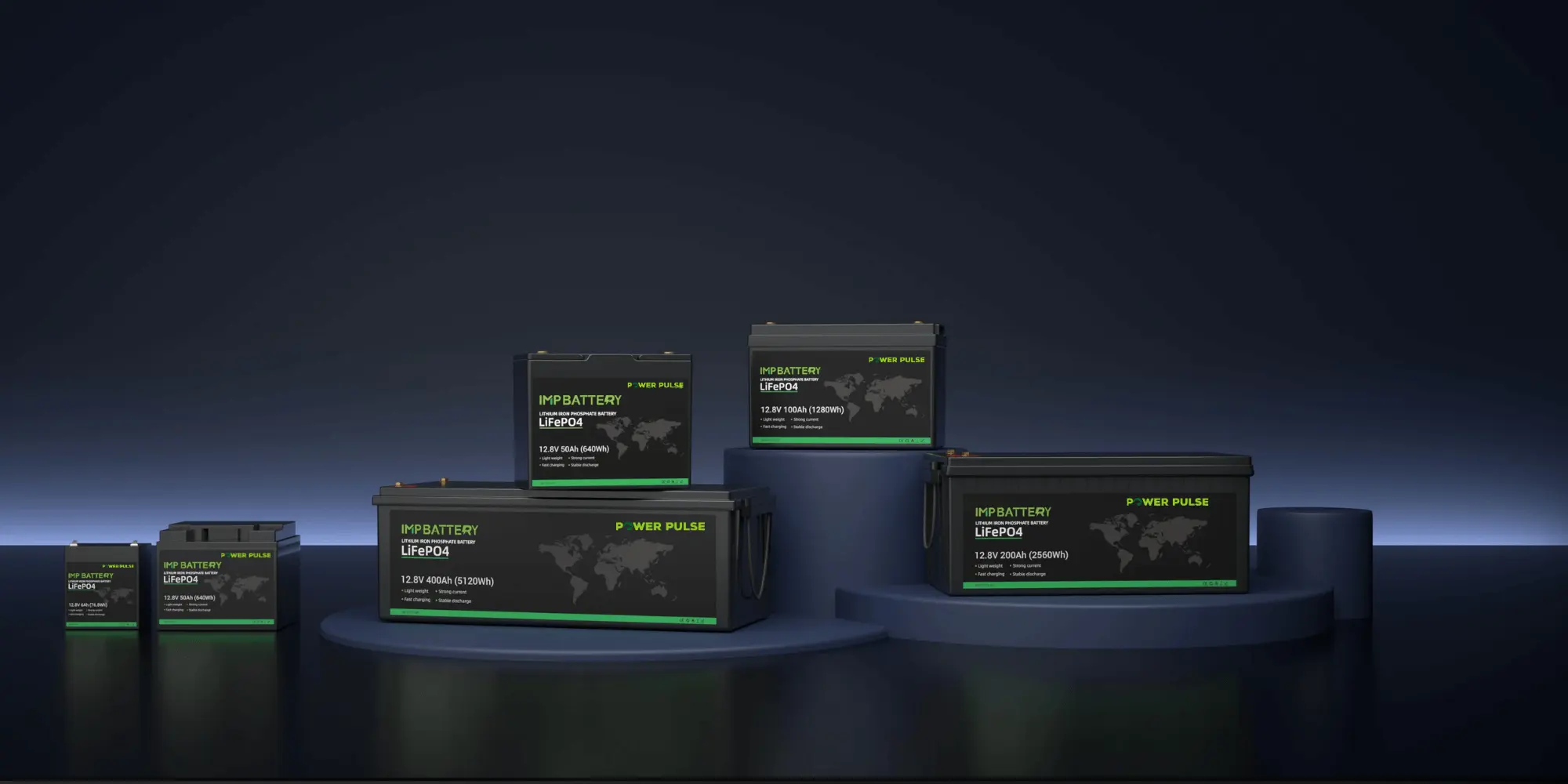
A LiFePO4 battery is a type of rechargeable lithium-ion battery that uses lithium lifepo4 battery as its cathode material. Unlike traditional lead-acid batteries, which are heavy and degrade quickly, LiFePO4 batteries are lighter, safer, and far more durable. They can handle thousands of charge cycles without significant loss in capacity, making them a favorite for long-term applications.
What Affects LiFePO4 Battery Life?
Battery life is influenced by several factors. While LiFePO4 batteries are known to last 8–12 years on average, how you use and care for them will ultimately determine their longevity.
1. Depth of Discharge (DoD)
The depth of discharge measures how much of the battery’s total capacity is consumed before it is recharged. A LiFePO4 battery can be discharged deeply (up to 80–90%) without major issues, but keeping discharges shallower—say 20–50%—will significantly extend its lifespan.
2. Charging Habits
Improper charging is one of the fastest ways to reduce battery life. Using the wrong charging methods, whether it’s overcharging, undercharging, or relying on unsuitable chargers, can drastically reduce a battery’s lifespan. Ideally, you should use a charger designed specifically for LiFePO4 chemistry, which ensures the right voltage and current.
3. Temperature Conditions
Batteries, like people, don’t perform well in extreme conditions. Excessive heat accelerates chemical wear, while very low temperatures can reduce efficiency. For maximum life, it’s best to keep LiFePO4 batteries in a stable, moderate environment.
How to increase the Life of a LiFePO4 Battery
If you invest in a LiFePO4 battery, you’ll want to make sure it lasts as long as possible. Thankfully, there are some simple practices that can help.
Store Them Somewhere Cool and Dry
If you’re not using the battery for a while, avoid leaving it in hot garages, attics, or damp basements. A cool, dry place is best to prevent damage.
Keep Them Partially Charged
For long-term storage, keeping your LiFePO4 battery at around 40–60% charge helps reduce stress on the cells. Unlike lead-acid batteries, which must stay fully charged, LiFePO4 batteries are happy sitting at partial capacity.
Zero Maintenance—But Worth a Quick Check
One of the biggest advantages of LiFePO4 is that they require almost no maintenance. Still, it’s wise to occasionally check for firmware updates (if it has a BMS), ensure the terminals are clean, and verify the battery hasn’t been exposed to harsh conditions.
Best Practices for Everyday Use
Daily habits also make a difference. Try to avoid running the battery completely empty or charging it to 100% every single time. Instead, maintaining moderate charge levels will help reduce wear and tear.
Comparing LiFePO4 Batteries with Other Battery Types
When compared to traditional lead-acid batteries, LiFePO4 wins by a landslide. Lead-acid batteries may only survive 300–500 cycles, while LiFePO4 batteries can easily deliver 3,000–5,000 cycles or more. Even when compared to other lithium-ion chemistries like NMC (nickel manganese cobalt), LiFePO4 still offers superior safety, thermal stability, and lifespan.
How Long Do LiFePO4 Batteries Really Last?
On average, you can expect a LiFePO4 battery to last between 8–12 years, depending on how it’s used. In terms of cycles, that’s anywhere from 3,000 to over 6,000 charge/discharge cycles. For context, if you use your battery once a day, it could easily last a decade or more with proper care.
Why Some LiFePO4 Batteries Go Even Further
Not all batteries are created equal. Premium manufacturers often include a LiFePO4 battery management system (BMS) along with advanced safety protections and higher-quality materials. These upgrades help regulate performance, prevent damage, and extend the battery’s lifespan well beyond the average, making them a smarter long-term investment.
What About the Cost?
It’s no secret that LiFePO4 batteries are more expensive upfront compared to lead-acid or standard lithium-ion options. However, their longevity and efficiency actually make them cheaper over time. While you might replace a lead-acid battery every 3–4 years, a single LiFePO4 battery could serve you for more than a decade. This makes the cost-per-year significantly lower.
Final Thoughts
LiFePO4 batteries are revolutionizing how we use and store energy. Their long life, safety, and low-maintenance nature make them ideal for everything from household energy systems to forklifts and golf carts. By following best practices—like maintaining proper charging habits, storing them in good conditions, and avoiding extreme discharges—you can make sure your LiFePO4 battery delivers reliable performance for many years to come.
So, while the upfront price may seem high, the peace of mind and long-term savings make LiFePO4 one of the smartest energy investments you can make today.