Lithium-ion batteries have become the backbone of modern energy. They power everything from electric cars to solar homes, e-bikes, forklifts, boats, and even the devices in our pockets. But if you’re planning to invest in one in 2025, the big question is: how much do lithium batteries cost, and what should you expect to pay in the long run?
Let’s break it down in a simple & practical way.
Overview of Lithium Battery Costs
In 2025, the average lithium battery cost per kWh ranges between $130 and $160 depending on chemistry, capacity, and application. For a small device like an e-bike, that may mean just a few hundred dollars. For larger systems like an electric car or home solar storage, the price can reach thousands.
The good news? Prices have fallen significantly in the last decade and continue to trend downward, making batteries more affordable than ever.
Key Cost Trends
- Steady price decline: The cost of lithium-ion batteries has dropped by more than 80% over the past 10 years, and 2025 continues this trend.
- Application-specific pricing: EV packs are still more expensive per kWh than stationary solar storage, mainly due to higher performance requirements.
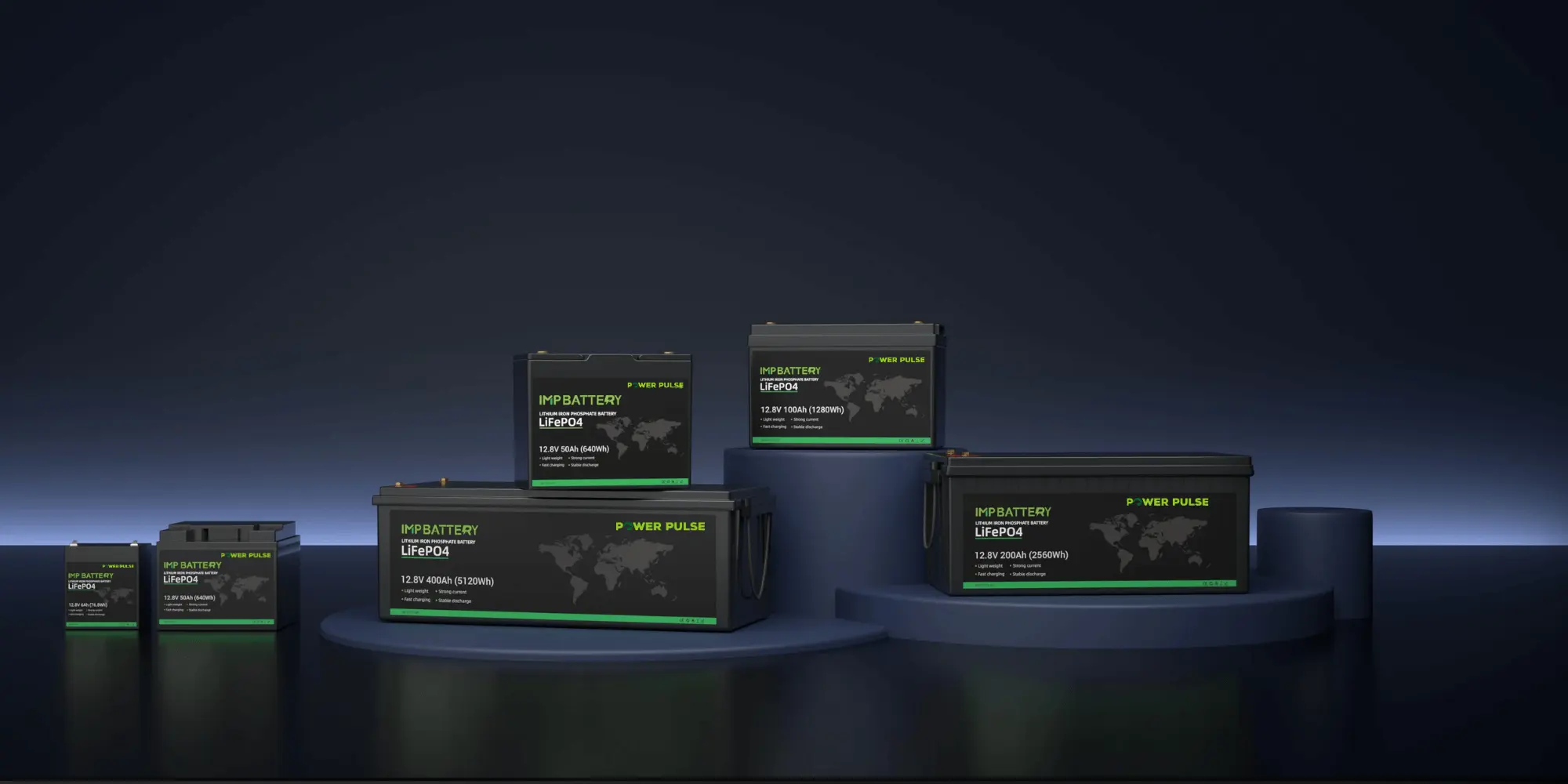
- Chemistry shift: Safer and cheaper chemistries like LiFePO₄ (Lithium Iron Phosphate) are becoming more popular, especially in solar, e-bikes, and golf carts.
Key Drivers of Cost Trends
Role of Global Demand and Supply Chains
Global demand for EVs, renewable energy, and consumer electronics keeps rising. While this drives innovation, it also puts pressure on supply chains. Shipping costs, labor rates, and trade policies can all affect final prices.
Manufacturing Advancements
Automation and larger-scale “gigafactories” are cutting costs by producing batteries more efficiently and with fewer defects.
Raw Material Availability and Prices
The cost of lithium, nickel, cobalt, and manganese directly impacts battery prices. Recycling and new mining projects are helping stabilize supply, but market swings still happen.
Energy Storage Capacity and Efficiency
Higher-capacity batteries may cost more upfront, but they deliver lower cost per kWh over their lifetime by lasting longer and charging more efficiently.
Environmental Regulations and Recycling Initiatives
Governments are encouraging recycling programs and limiting hazardous waste. While this can add some cost at purchase, it lowers long-term disposal fees and encourages sustainable practices.
Lithium Battery Costs by Application
Electric Vehicle (EV) Batteries
EV batteries are the most talked-about segment in 2025.
- Average costs in 2025: $5,000 – $15,000 depending on vehicle range and size.
- Cost per kWh: Around $130–$140 on average.
- Comparison: A compact EV might use a 40 kWh pack (~$6,000), while a long-range SUV could need 100 kWh or more.
E-Bikes & E-Scooters
For personal mobility, batteries are smaller and more affordable.
- Typical cost: $300 – $800 depending on brand and capacity.
- LiFePO₄ versions are becoming popular due to safety and longer cycle life.
Solar Energy Storage Batteries
Homeowners adding solar often want a battery to store excess energy.
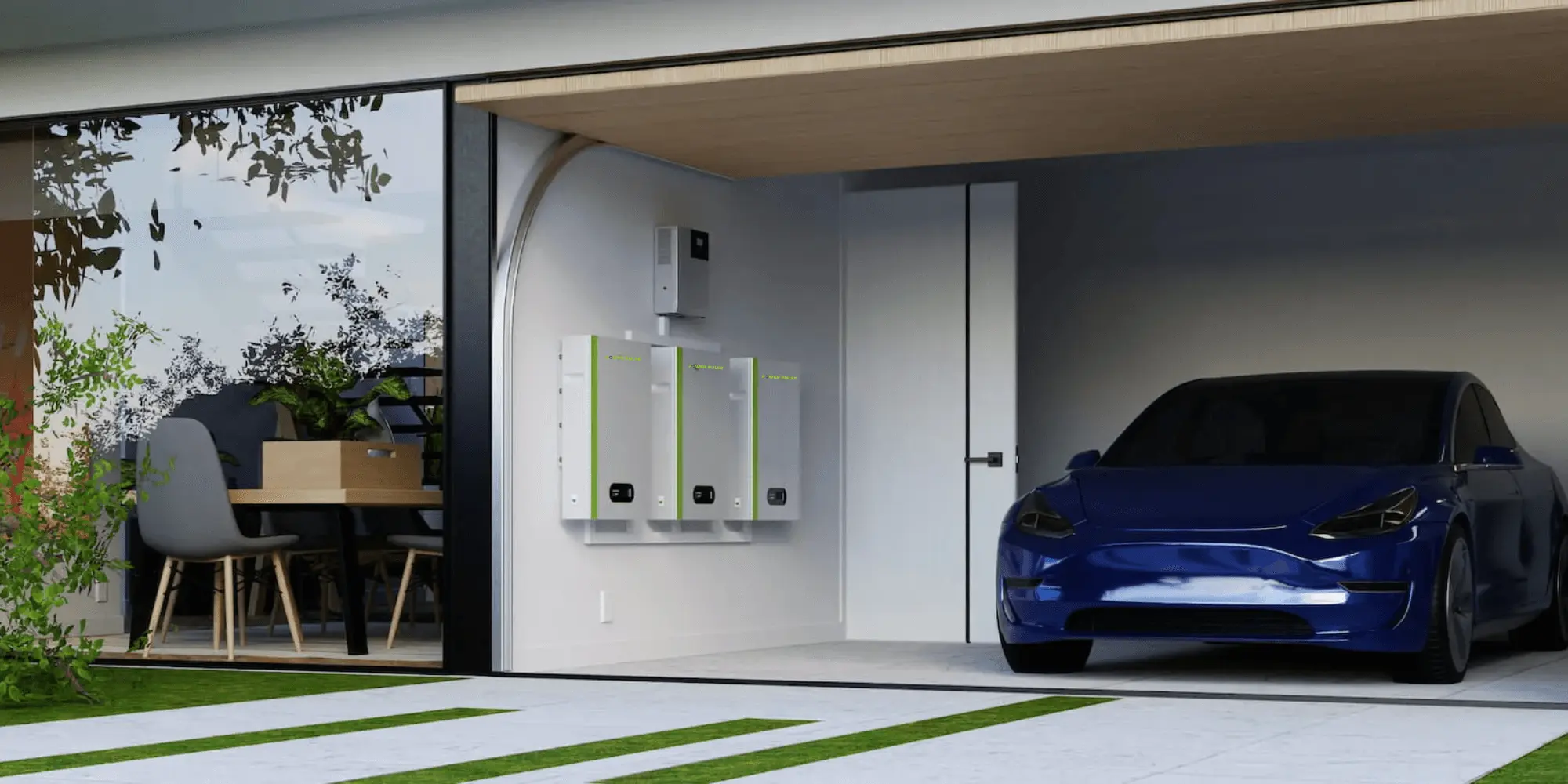
- Typical cost in 2025: $6,000 – $12,000 for a home storage system.
- Cost per kWh: $150 or less for large-scale packs.
- Value: Savings on electricity bills and energy independence during outages.
Lithium Batteries for Golf Carts, Boats, and Robots
These applications are rapidly switching from lead-acid to lithium.
- Golf cart batteries: $900 – $2,000 price depends on size.
- Marine/boat batteries: $1,200 – $3,500 for reliable deep-cycle packs.
- Robots/AGVs: $2,000 – $6,000, often customized for industrial use.
Long-Term Market Outlook
Experts expect lithium battery prices to continue declining through 2030 as new technologies (like solid-state and sodium-ion) emerge. That means buyers in 2025 can already benefit from lower prices but should also expect even better affordability in the near future.
Lithium Battery Buying Guide
Buying a lithium-ion battery isn’t just about the sticker price. Here are the key points every buyer should consider:
Total Cost of Ownership
Cheaper isn’t always better. A quality lithium battery with 3,000–5,000 cycles often saves more money in the long run compared to a cheaper option that fails after 1,000 cycles.
Recycling and Disposal Costs
Check if your supplier offers recycling programs. This not only saves disposal costs but also supports sustainability.
Maintenance and Warranty Considerations
Lithium batteries are almost maintenance-free, but warranties vary widely (from 3 years to over 10 years). Always factor in warranty coverage when comparing prices.
How to Select the Best Lithium Battery in 2025
Key Specifications to Consider
- Voltage & Amp Hours (Ah): Must match your system (EV, solar inverter, golf cart).
- Compatibility: Ensure chargers, inverters, or vehicles support the battery chemistry.
- Cycle Life: Look for at least 3,000+ cycles for serious long-term value.
Balancing Upfront Cost and Long-Term Savings
Paying more upfront for a high-quality LiFePO₄ pack can cut replacement costs and deliver better lifetime value.
Evaluating Supplier Reputation and Customer Reviews
Check independent reviews, supplier history, and certifications. A cheaper battery from an unreliable seller often costs more in the end due to failures or poor support.
At the end
In 2025, lithium battery costs are more affordable than ever, and the options available cover every need—from cars and scooters to homes and boats. While the upfront investment can feel high, the long-term benefits in savings, performance, and reliability often make them worth it.
If you’re shopping this year, focus less on the lowest price and more on finding the right balance of cost, quality, and long-term value. With careful research, your lithium battery purchase can power your lifestyle, your business, or your home for many years to come.