Lithium-ion batteries now serve as the foundation of today’s energy-driven world. From smartphones and laptops to electric vehicles and renewable energy storage, they power almost every part of our daily lives. As of 2025, advancements in chemistry, safety, and efficiency have taken lithium-ion battery technology to new levels, making it even more crucial to understand how it works and where it’s headed.
What is a Lithium-Ion Battery?
A lithium-ion battery is a rechargeable energy storage device that uses lithium ions to move between the positive (cathode) and negative (anode) electrodes during charging and discharging. This back-and-forth movement of ions generates electrical energy that powers our devices. Unlike older battery technologies such as nickel-cadmium, lithium-ion batteries are lighter, hold more energy, and can be recharged hundreds of times without significant loss in performance.
How Does It Work?
When you charge a lithium-ion battery, lithium ions move from the cathode to the anode and are stored there. As the device operates, ions return to the cathode, releasing stored energy to power it. This simple but efficient chemistry makes lithium-ion batteries both powerful and reliable.
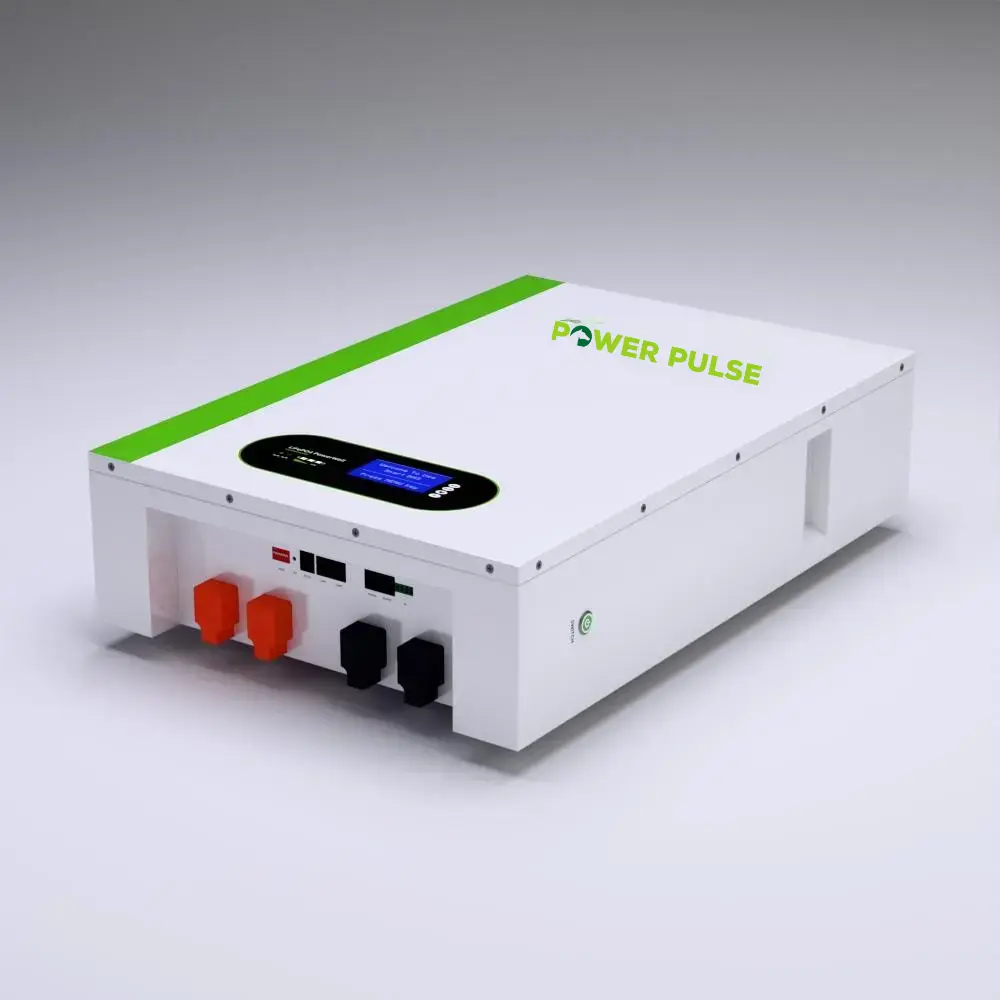
What is a Lithium-Ion Battery Pack?
A single lithium-ion cell doesn’t usually provide enough power for larger applications. That’s why manufacturers combine multiple cells into what’s called a battery pack. These packs also include safety systems, cooling mechanisms, and battery management electronics to regulate charging, prevent overheating, and maximize lifespan.
Understanding Lithium Battery Technology
Lithium-ion technology has evolved rapidly. Improvements in cathode materials, such as lithium iron phosphate (LFP) and nickel-manganese-cobalt (NMC), have made batteries safer, longer-lasting, and more suitable for different applications. AI-driven battery management systems and solid-state electrolytes are the next big steps being tested in 2025.
Types of Lithium-Ion Batteries
- Lithium Cobalt Oxide (LCO): High energy density, mainly used in phones and laptops.
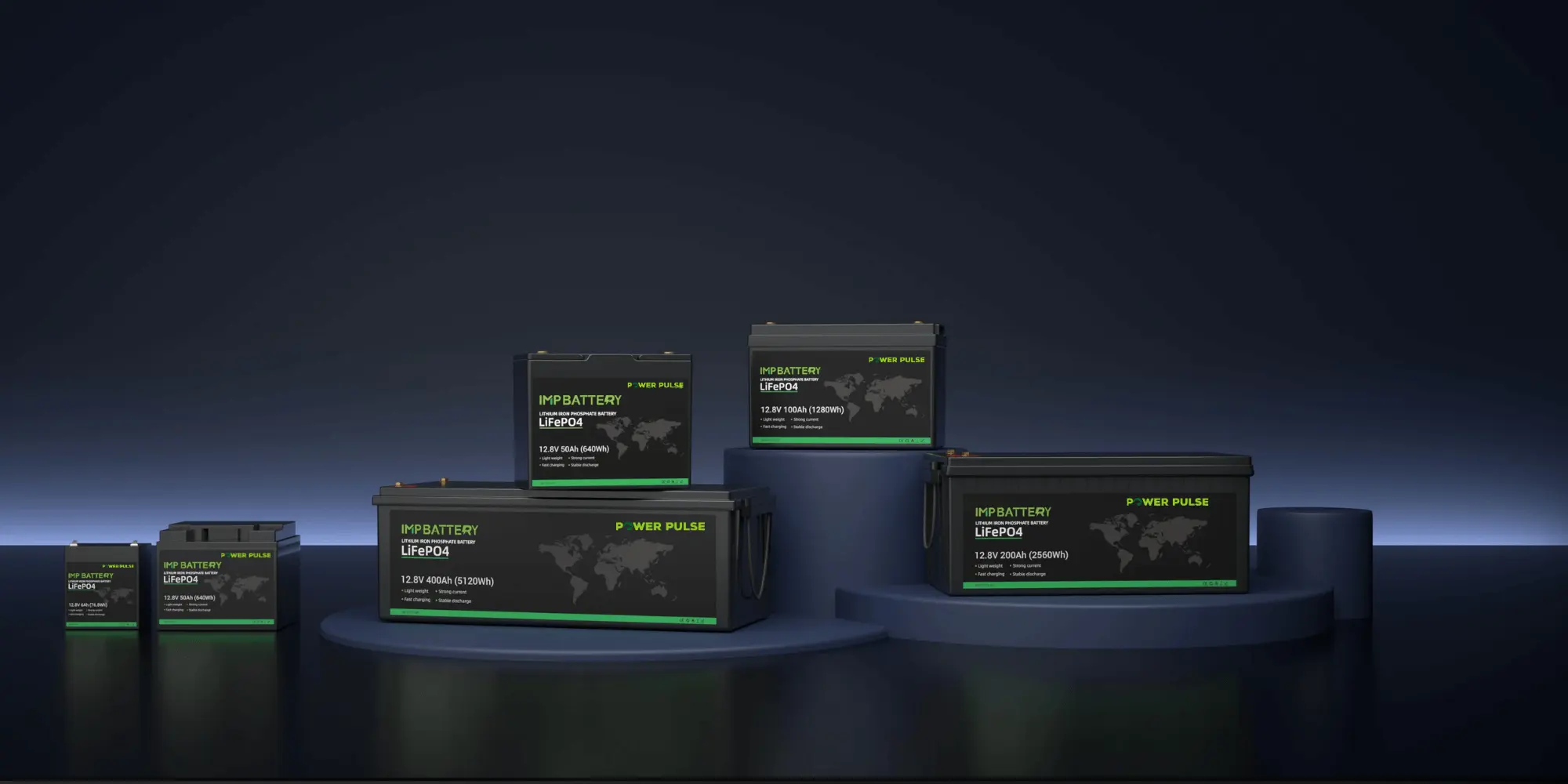
- Lithium Iron Phosphate (LFP): Safer, more stable, and popular in electric vehicles.
- Lithium Nickel Manganese Cobalt (NMC): Balanced performance, widely used in EVs and power tools.
- Lithium Titanate (LTO): Offers ultra-fast charging and exceptional lifespan, though with reduced energy density.
- Lithium Manganese Oxide (LMO): High thermal stability, often used in medical and industrial applications.
Chemistry and Function
Every lithium-ion battery relies on three main parts:
- Cathode: Determines the battery’s capacity and voltage.
- Anode: Stores lithium ions during charging.
- Electrolyte & Separator: Allow safe ion flow while preventing short circuits.
The chemistry of each type influences its safety, energy capacity, and longevity.
Benefits of Lithium Batteries
- High energy density (store more power in smaller space)
- Lightweight compared to other batteries
- Long lifespan with proper care
- Low maintenance and no “memory effect”
- Fast charging capabilities
- Versatile applications across industries
Where Lithium-Ion Batteries Are Used
- Consumer Electronics
Smartphones, laptops, tablets, and wearables rely heavily on lithium-ion batteries due to their compact size and reliability. - Electric Vehicles (EVs) & Sports Cars
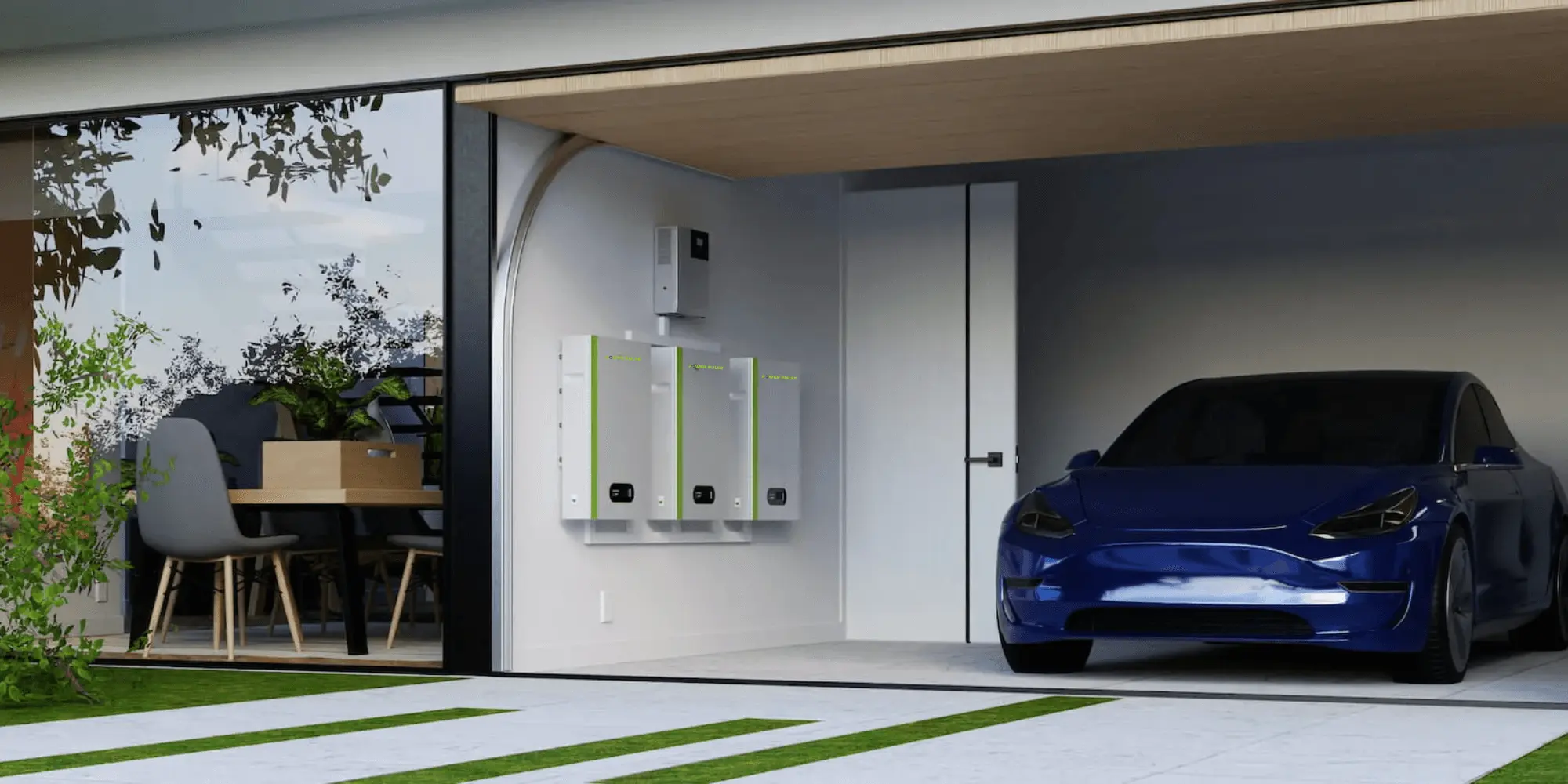
EV adoption is surging in 2025, and lithium-ion batteries are the heart of this revolution, offering both range and efficiency. - Renewable Energy Storage
Solar and wind energy storage systems use large lithium-ion battery banks to stabilize power supply and make renewable energy more reliable. - Medical Devices
From portable ventilators to advanced diagnostic machines, lithium-ion batteries ensure life-saving devices remain operational. - Aerospace & Military Applications
Lightweight and powerful, these batteries are critical for drones, satellites, and defense systems where reliability is non-negotiable.
How Long Do Lithium-Ion Batteries Last in 2025?
On average, a lithium-ion battery lasts between 8 to 12 years in large-scale applications (like EVs and energy storage) and about 500–1000 charge cycles in smaller consumer electronics. Thanks to advancements in materials and AI-based monitoring systems, battery life in 2025 is far better than a decade ago.
Things That Make Batteries Wear Out
- Repeated deep discharges
- High temperatures or poor cooling
- Overcharging or improper charging equipment
- Physical damage
- Manufacturing defects in cheap batteries
Which Lithium Batteries Are Dangerous?
- Poor-Quality or Counterfeit Batteries – Cheap, unregulated cells often lack safety features and can overheat or explode.
- Damaged or Swollen Batteries – Any visible swelling, puncture, or crack is a warning sign to stop using the battery immediately.
- High-Energy-Density Batteries (18650, Pouch Cells) – Safe when manufactured well, but risky if poorly designed.
- Lithium Cobalt Oxide (LCO) Batteries – Powerful but more prone to overheating than newer chemistries.
Sodium-Ion Battery vs. Lithium-Ion Battery
Sodium-ion batteries are emerging as an alternative in 2025. While they are safer and cheaper (since sodium is abundant), they currently offer lower energy density compared to lithium-ion. For grid storage, sodium-ion may gain traction, but for EVs and high-performance electronics, lithium-ion remains superior.
Conclusion: The Future of Lithium-Ion Batteries
In 2025, lithium-ion batteries continue to dominate the energy storage landscape, but the industry is already exploring the next breakthroughs. Solid-state batteries, recycling initiatives, and sodium-ion alternatives promise a future of cleaner, safer, and more sustainable power solutions.
From your smartphone to your car to the energy powering entire cities, lithium-ion batteries are not just a technology—they are the silent engine driving modern life.